Don't Let a Hot Streak Burn You: The Hidden Danger of Winning Too Much
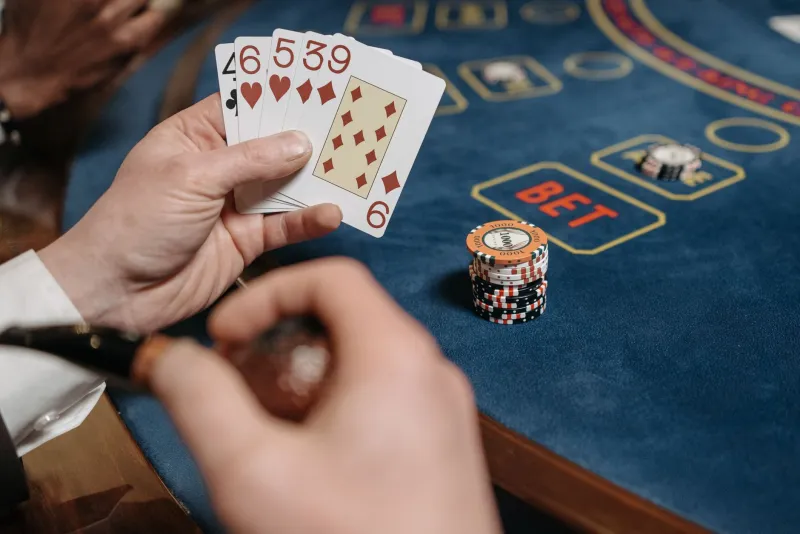
There's a specific kind of confidence that shows up after your fourth straight winning hand. It feels like clarity. Like you've finally cracked something. Like the game is suddenly making sense in a way it never quite did before.
That feeling? It's one of the most expensive things in online gaming.
Winning streaks are real. They happen. But what players rarely talk about is what a streak does to your brain — and why the moments you feel most invincible are often the exact moments you're most exposed.
The Brain on a Roll
Here's the thing about humans: we are wired to find patterns. It's a survival instinct that served our ancestors well when reading weather changes or tracking animal behavior. At the blackjack table or on a slot machine, though, that same wiring becomes a liability.
When you hit three wins in a row, your brain doesn't register them as statistically independent events. It starts building a narrative. I'm in the zone. The cards are running hot. This is my session. Dopamine reinforces the story. Each win feels like confirmation.
Neuroscientists call this "hot hand fallacy" — the belief that recent success meaningfully predicts future success in a random or near-random system. Basketball players, poker hands, roulette spins — the research is pretty consistent. Past outcomes in games of chance don't stack the deck in your favor going forward. But your brain will argue otherwise, loudly and convincingly.
The Gambler's Fallacy Runs Both Ways
Most people have heard of the gambler's fallacy — the idea that if red has hit five times in a row at roulette, black must be "due." That's one version of the bias.
But there's a flip side that gets less attention: the belief that because you've been winning, the momentum is yours to ride. This isn't about the table being due — it's about you feeling like you've unlocked something. And that version is arguably more dangerous because it feels rational.
Players in this mindset start making moves they wouldn't otherwise make. Bet sizes creep up. Game selection gets looser. The internal voice that usually pumps the brakes goes quiet. Why would you second-guess yourself? You're on fire.
This is the streak paradox in action: the longer you win, the worse your decision-making can become — precisely because success keeps validating it.
Real Patterns, Real Damage
Let's get concrete. Behavioral researchers studying casino players have documented a consistent pattern: winning sessions that end in net losses aren't unusual. Players who are up 40%, 60%, even 100% of their starting bankroll regularly give it all back — plus more — within the same session.
The mechanism is almost always the same. Escalating bets. Switching to higher-volatility games. Staying longer than planned. Each decision feels justified by the streak. Each one chips away at the cushion the streak built.
The irony is brutal. The streak created real money. The mindset the streak created took it away.
What "Locking In" Actually Means
You've probably heard the advice: "lock in your profits." Easy to say, genuinely hard to do when you're up and the session feels alive. So what does it actually look like in practice?
Set a win ceiling before you start. This is the move most players skip. Before your session begins, decide what a great outcome looks like — say, up 50% on your starting bankroll — and commit to stepping back at that number. Not pausing. Not "one more hand." Stepping back.
Separate your profits physically (or digitally). In a brick-and-mortar casino, the classic move is to pocket a portion of your chips and play only with the rest. Online, this translates to withdrawing a portion of your balance or mentally ring-fencing it. The point is to make it harder to access in the heat of the moment.
Watch your bet sizing like a hawk. One of the clearest signals that streak psychology is taking over is when your average bet size starts climbing without a conscious decision behind it. If you sat down betting $10 a hand and you're suddenly at $40 without really thinking about why, that's the streak talking.
Build in a mandatory pause. After a significant win — whatever that means for your session — take five minutes away from the screen. Get a drink, step outside, do something that breaks the momentum. The goal is to interrupt the narrative your brain is building and give your prefrontal cortex a chance to catch up.
The Discipline That Separates Smart Players
Here's the uncomfortable truth: knowing when to walk away while you're ahead requires a kind of discipline that feels deeply unnatural. Every instinct says keep going. The session has momentum. You're up. Why would you leave?
But the players who consistently protect their bankrolls over time have internalized a different framework. They don't think of a session as something to ride until it ends. They think of it as a resource to manage. And resources have limits — even when they're currently growing.
This mindset shift is genuinely hard to make in the moment, which is why the pre-session setup matters so much. Rules you make before you're in the grip of a hot streak are almost always better than decisions you make during one.
One More Hand Is Never Just One More Hand
The streak paradox doesn't care how experienced you are. It doesn't care how disciplined you've been in previous sessions. It shows up every time the cards run hot, every time the slots hit back-to-back, every time the dice seem to love you.
The goal isn't to be afraid of winning. Winning is the whole point. The goal is to be smarter than the feeling winning creates — to recognize the psychological pressure building behind a streak and have a plan that's stronger than the urge to push it further.
At GambleTime, we talk a lot about playing smart. This is what that looks like in real time: not quitting when you're losing, but having the discipline to stop when you're winning. That's the edge most players never develop. And it might be the most valuable one in the game.