Beginner's Luck Is a Business Strategy: How Early Wins Are Engineered to Cost You Later
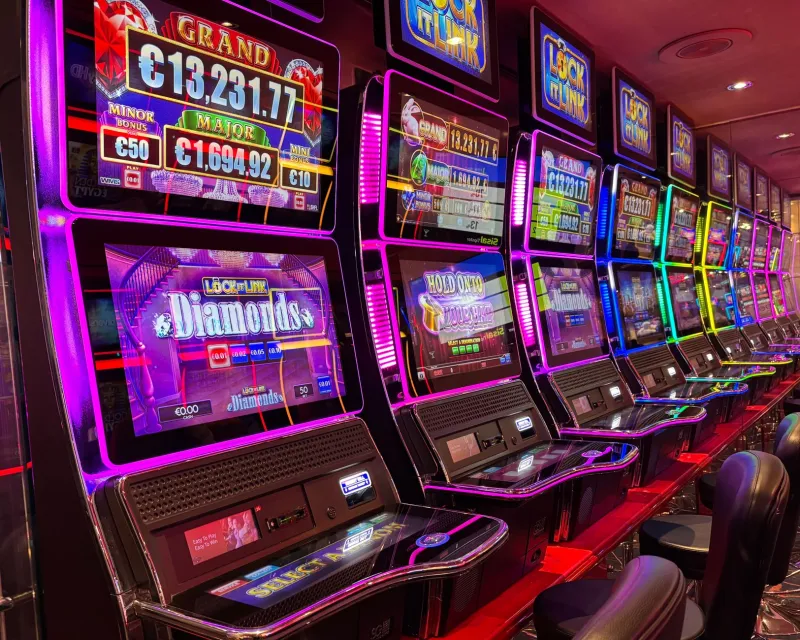
Everybody's got a story about the first time they hit big. Maybe it was a slot machine at a Vegas resort, a lucky hand of blackjack on a road trip to Atlantic City, or an online session where the reels lined up almost immediately. The win felt electric. It felt earned. And more than anything, it felt like a sign — like maybe you actually had a knack for this.
Here's the uncomfortable truth: that feeling is part of the design.
The casino industry didn't get where it is by leaving early player experiences to chance. Whether you're sitting at a physical machine or loading up a game on your phone at midnight, the mechanics behind your first few sessions are deliberately structured to leave a mark. And once you understand how that works, you'll never look at a hot start the same way again.
What "The Setup Tax" Actually Means
Let's borrow a concept from the world of sales and call it the setup tax — the hidden cost embedded in what looks like a gift. In gambling, the setup tax works like this: you receive something early (a win, a bonus payout, a lucky streak) that feels like a reward, but actually functions as an investment the house is making in your future behavior.
The payout comes back with interest. Just not to you.
Early wins do something specific to the brain. They trigger dopamine releases that encode the experience as rewarding, yes — but they also distort your internal baseline. After a strong opening session, players routinely overestimate their skill level, underestimate the role of variance, and most importantly, raise their bet sizes. That last part is where the tax gets collected.
You didn't just win $200 in your first hour. You bought a mindset that's about to spend $600 chasing the feeling that $200 gave you.
How Game Design Reinforces the Hook
This isn't conspiracy theory territory — it's documented design practice. Slot developers, for instance, have long used what's called a "near-miss" feature combined with early-session hit frequency adjustments. Some machines are programmed to deliver slightly more frequent small wins during a player's initial spins to build engagement before settling into their true long-term return rate.
Online casino platforms take it even further. Welcome bonuses, free spins, and matched deposits all serve a dual purpose: they look like generosity, but they're also conditioning tools. When you win using bonus funds, your brain registers the win as real — even if the wagering requirements mean that money was never truly yours to keep. The emotional imprint sticks around long after the bonus balance is gone.
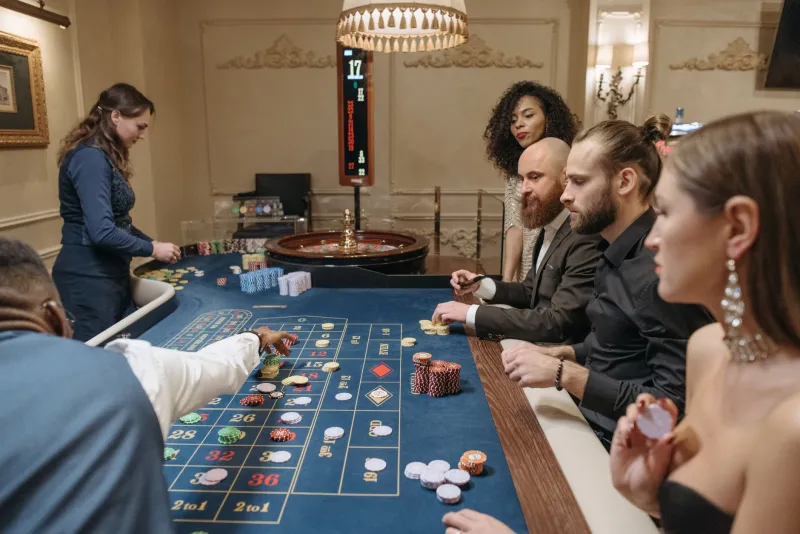
Table games aren't immune either. New players at poker rooms and blackjack tables often benefit from what veterans call "soft tables" — early sessions where the competition isn't particularly sharp, variance is running hot, or dealers happen to bust repeatedly. None of that is guaranteed to repeat. But the confidence it builds? That sticks.
The Psychology Behind Inflated Betting
There's a concept in behavioral economics called the "house money effect," first documented by researchers Thaler and Johnson back in the late '80s. The idea is simple: people treat money they've won as psychologically distinct from money they started with. Winnings feel like "found money," and found money gets spent more recklessly.
At a casino, this plays out in predictable ways. A player who sits down with $300 and runs it up to $500 in the first 30 minutes doesn't pocket the extra $200 and play conservatively with their original stake. Instead, they start betting with the full $500 in mind as their new floor. The $200 in gains gets treated as a cushion for bigger risks — not as a reason to scale back.
This is exactly where the setup tax gets paid. The early win didn't protect you. It funded riskier behavior that the house is statistically designed to profit from over time.
Spotting the Pattern in Real Time
So how do you actually use this knowledge while you're in the middle of a session? A few practical anchors:
Track your baseline, not your peak. If you sat down with $400, your reference point is $400 — not the $650 you briefly touched in the second hour. Measuring success against a peak you already passed is how players rationalize continuing well past when they should have walked.
Watch your bet sizing after wins. This is the clearest behavioral signal. If you notice your bets creeping up after a hot run, pause and ask yourself whether that's a strategic decision or an emotional one. Most of the time, it's the latter.
Give early sessions less narrative weight. A strong first session at a new game or platform doesn't tell you much about your long-term edge — it tells you about variance in a small sample. Treat it accordingly. Don't let 45 minutes of good cards rewrite your entire self-assessment as a player.
Be especially skeptical of hot starts on new platforms. When you're a new account at an online casino, you're also in the window where welcome mechanics are most active. That doesn't mean every early win is manufactured, but it does mean you should be slower to draw conclusions from it.
The Long Con Is Patient
Casinos — physical and digital — operate on time horizons that individual players rarely consider. A house edge of 2-5% sounds modest until you realize it compounds across thousands of hands, hundreds of spins, and dozens of sessions. The early win isn't just a hook for that one visit. It's recruiting you into a longer relationship.
The players who come out ahead over time aren't the ones with the best first sessions. They're the ones who don't let a good first session change how they play the second, third, and tenth. They understand that variance is a river, not a verdict — and that a lucky current at the start doesn't mean the water gets easier downstream.
Play Smart From the First Spin
None of this means you should dread early wins or refuse to enjoy them. A hot start is fun. Let it be fun. But keep it in perspective.
Set your session limits before you sit down, not after you're already up. Decide in advance what a win looks like and at what point you're walking away with it. If you've doubled your buy-in in the first hour, that's a great result — and the disciplined move is often to lock in a portion of that gain rather than give the house time to collect its setup tax.
The casino is playing a long game. The smart move is to decide, from the very beginning, that you're not going to fund it with your own early luck.
At GambleTime, we say it plainly: the house doesn't give you that first win out of kindness. Know what it's really for — and play accordingly.